Porta Potty Rental Boston for Construction Sites: Must-Know Details
A construction site in Boston does not forgive sloppy planning. The foot traffic is tight, weather swings are real, and inspectors tend to notice when site conditions drift. Porta potty rental is one of those unglamorous needs that becomes urgent fast, especially once workers arrive and the schedule starts running “right now.”
If you are managing a jobsite, you already know that sanitation is not just a comfort issue. It is a safety and compliance issue, and it affects how reliably people can work. Choosing the right portable toilets on rent in Boston comes down to a handful of practical decisions: how many units you need, how often they get serviced, what kind of traffic you are expecting, and how you handle Boston’s winter and sudden schedule changes.
Below is what I would want to know before placing an order, based on the kinds of conversations and field problems that show up time and again on active sites.
What you are really renting: service, not just a toilet
People sometimes think “Portable Toilet Rental” is just dropping a unit off. In reality, the deliverable is a sanitation service. The unit only becomes useful once it is serviced, stocked, and maintained in a condition that workers will actually use.
When you talk with portable toilet rental companies, ask how the cleaning cycle works for your specific setup. Most providers will talk in terms of pickup and servicing frequency, waste handling, and restocking (soap, paper products, and deodorizing agents depending on the unit type and the provider’s offerings). The details matter because a site can have the right number of units on paper and still fail if the servicing cadence is too slow.
A quick example from a past job: a crew came in for a fast turnaround fit-out, and the contract called for weekly servicing. The first few days were fine. Then the schedule accelerated, the crew size crept up, and suddenly the units were being used for longer periods during peak work hours. We adjusted service frequency midstream, and that fixed it. The “toilet count” hadn’t been wrong, the service timing was.
How many porta potties does a jobsite need?
The number you need depends on factors like crew size, shift length, site layout, and whether you have multiple trades using the same bathrooms. There are guidelines used across the industry, but in Boston, you also need to think about access and how reliably workers can reach the units without delays or detours through job hazards.
A useful way to estimate is to treat porta potties as a capacity problem, not just a headcount problem. If your crew is small but works long hours, you will still have high demand per unit. If you have contractors arriving in waves, demand spikes. If you are hosting deliveries, inspections, or meetings where additional people pass through temporarily, that can change the usage patterns enough to matter.
For a typical construction site, many rentals land in the “one or more units per crew cluster” approach, then adjust service frequency based on observed usage. If the provider offers site-specific recommendations, take them seriously, but also ask whether they base recommendations on expected occupancy and how they handle changes. The bestportable toilet rental companies do not just quote and forget. They ask questions and pressure-test the plan.
If you want a simple starting point before the provider gives you a recommendation, think about how many workers are using the same toilet area during the same window. A site where everyone needs to use the units between, say, 9:30 and 10:30 will behave very differently than a site where workers spread out naturally.
Unit types: single units, ADA units, and when you actually need more than “a basic box”
Portable toilets are not all the same. Even if the basic function is the same, the usability and sanitation experience vary depending on the unit and what is included.
Common categories include standard portable toilets, larger or enhanced units, and ADA-compliant units. The ADA aspect is important for both legal compliance and real-world site function. If you have any workers or visitors who require accessible facilities, you need the correct configuration, not an improvised workaround.
On some Boston sites, the constraint is not space, it is route practicality. If the unit has to be wheeled or accessed over uneven surfaces, snow, or temporary decking, you will want to plan for that when selecting units. In winter, a “perfectly reachable in September” location may become a problem by February. That is where planning with delivery placement and service frequency matters as much as the unit type itself.
Also, consider restrooms for people who are there in addition to the core crew. For example, if you have a subcontractor team rotating in and out, or if you have supervisors who are constantly on site, the usage patterns change. A larger enhanced unit might be more cost-effective than adding another basic unit if your problem is throughput rather than total capacity.
Placement rules that can make or break the rental
A porta potty Porta Potty Rental Boston Premier Portable Potties rental can be technically “on site” and still be a failure if placement is wrong. The right location should support a straightforward path from the work areas, and it should allow safe servicing access.
Boston jobsites often have tight footprints, active traffic patterns around the property, and overhead or side access limitations depending on the building stage. Your provider will usually coordinate delivery and pick-up access, but you should still plan your staging area and ensure the unit has a stable, level location.
A few placement decisions tend to come back as friction points:
- If the unit is placed too far from the work zones, workers avoid it, and then sanitation expectations break down.
- If it is placed where foot traffic creates congestion, people start leaving the area messier than they should, and it becomes an operational headache.
- If it is placed where the provider cannot service it efficiently, you get missed pickups or delayed restocking, especially during bad weather.
If you are working with a portable toilet rental companies, ask how they handle placement concerns in Boston. A provider that has delivered in narrow urban sites will usually know how to coordinate on the fly. A provider without that experience might still deliver, but you may end up paying for time, access adjustments, or repeat visits.
Service frequency: why “weekly” can be either perfect or a disaster
When you rent portable toilets on rent for a construction site, the question is not whether the toilet gets cleaned at all, it is whether the cleaning schedule matches your job reality.
A crew of 10 using one standard unit over a short period is very different from a crew of 30 using it over a long shift. Service frequency also matters because odor control, waste levels, and paper and soap availability affect how workers treat the restroom. When a toilet starts running low on supplies or gets uncomfortable, usage patterns change quickly and mess increases.
If your site is in a phase with heavy labor early on, then slows down, you may need to increase service for the first week and reduce later. In Boston, that timing can align with weather. Snow events can reduce access and make the unit harder to reach, which can concentrate usage or discourage use entirely. That makes early planning and proactive service adjustments worth it.
Ask the provider what “service” includes for your rental. Does it include restocking paper and soap every visit? Do they do deodorizing as part of each service? Do they monitor tank levels or rely purely on scheduled intervals? Different Portable Toilet Rental arrangements treat those details differently.
Emergency portable toilet rental: what “urgent” really means
Emergency portable toilet rental is one of those topics people approach when they already feel behind. The urgency can come from a permit issue, a late trade arrival, a unit that got removed, or damage from vandalism or severe weather.
Emergency typically means your timeline is tight, and your options shrink. The best approach is to call quickly, provide key details, and ask what the provider can do within your constraints. Be ready to share your approximate delivery address, site access limitations, the number of units you need, and when you need them operational. If you do not know the exact unit count yet, ask for a flexible recommendation based on crew size and expected usage.
On a busy Boston job, I have seen “emergency” turn into an avoidable problem when the decision gets delayed. One team assumed the next delivery window would be fine, then the site shifted with a sudden subcontractor start date. They ended up with an improvised solution for one day that created compliance headaches. The more you can treat porta potty availability like a scheduling item instead of a last-minute fix, the smoother everything goes.
If you anticipate any schedule risk, it is smart to ask for a delivery plan with contingency, even if it is not framed as “emergency.” Providers that handle both scheduled and emergency requests tend to be more responsive when something changes.
Boston-specific realities: winter, snow access, and tight scheduling
Boston is not just “cold.” It is cold with frequent snow, freeze-thaw cycles, and uneven access around construction zones. For porta potty rentals, those conditions affect both placement and service.
A unit that sits on a surface that becomes slick or uneven after snow can become harder to access. Workers may avoid it, which increases pressure on the remaining units Portable Toilet Rental Boston MA if you have more than one. That also affects the cleaning cycle because usage can become concentrated and waste levels can rise faster.
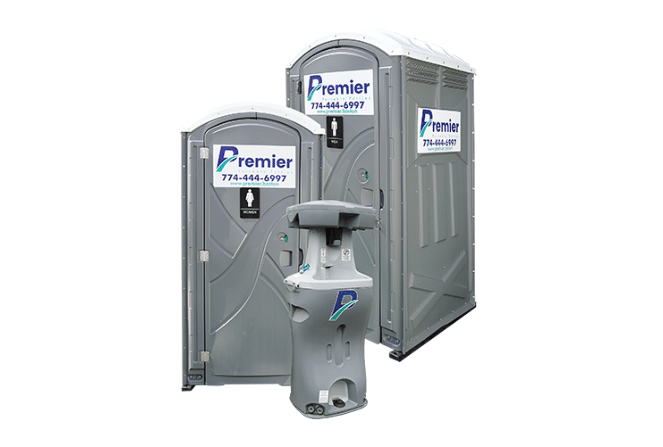
Another Boston-specific concern is access for delivery and service. In many neighborhoods, you have restrictions, changing traffic patterns, and limited staging areas depending on the time of day and the exact jobsite location. Providers familiar with Boston typically plan routes and delivery windows to reduce delays. Still, you should communicate any planned street access issues, scaffolding movements, or changing site boundaries.
Also, consider the time of year when you rent. If you are starting a project in late fall or winter, plan for a longer operational period where supplies and conditions matter. Even if the basic toilet does not freeze in normal operation (providers design for real-world conditions), service responsiveness becomes more important. Weather can change the cadence you can reliably maintain.
Cost: cheap portable toilet rental vs. What you may actually pay for
“Cheap portable toilet rental” sounds straightforward until you look closely at what is included. A lower price can sometimes mean fewer services, fewer supplies, or a longer gap between visits. On a construction site, the cheapest option can get expensive if you end up needing additional units, more frequent servicing, or emergency replacements.
When comparing pricing, focus on the whole service package. Ask what drives the price in your quote. Is it unit type, service frequency, number of units, duration, or delivery and pickup logistics? Clarify whether “Portable Toilet Rental” includes delivery and removal, or whether those are billed separately. Also ask how additional visits or schedule changes are handled, because a jobsite rarely sticks to an ideal timetable.
A common scenario is that a project begins with a planned crew size and later expands. If the contract or rental terms are rigid, you might have to absorb higher costs for extra units. If the provider is flexible, they can often adjust the arrangement without turning it into a major ordeal.
The best way to avoid cost surprises is to treat the quote as a plan, not just a number. Make sure it matches the job schedule and the likely crew size. If you expect changes, ask what options you have and how quickly they can respond.
Planning questions to ask before you sign (the ones that prevent headaches)
Before you confirm your order, there are a few questions that save time later. You do not need a long interrogation, but you do want clarity on the details that affect sanitation and compliance.
Here is a short set of questions that tend to matter most in Boston construction situations:
- How many units do you recommend for my crew size and shift schedule, and what changes would trigger adjustments?
- What is included in each service visit (pump out, cleaning, restocking paper and soap, deodorizing)?
- What is your expected servicing frequency for my start date and duration, and can it be increased if usage spikes?
- How do you handle access issues for delivery and pick-up in dense or restricted locations?
- What is the process and timing for emergency portable toilet rental if our schedule slips?
When you get direct answers, you are usually dealing with a provider that understands jobsite reality. When you get vague answers, you are more likely to hit service gaps.
Trade-offs that you will feel on the ground
Every job has constraints, and porta potty rental decisions should reflect those constraints rather than pretending everything is flexible.
If you are short on space, you might choose fewer units and increase service frequency to manage waste and sanitation. That can work, but it depends on having a provider that can increase visits quickly when usage spikes.
If you have budget pressure, you might choose standard units instead of enhanced or ADA units, but you must still meet accessibility needs. Cutting corners on accessibility creates compliance problems and operational frustration.
If you are trying to reduce costs by stretching service intervals, the trade-off is comfort and sanitation quality. Workers are not going to treat an unpleasant restroom gently, and that creates mess that costs more time and cleanup effort than the service savings.
If you are planning multiple phases, it might be more effective to stage fewer units initially and expand later rather than paying for units you do not need. The key is staging with a plan for the exact day the next phase begins, not a guess.
Common edge cases: what surprises project managers
Construction sites develop their own patterns, and some edge cases show up often.
One is “hidden demand.” Sometimes a site starts with one crew, then another crew lands earlier than expected, or a large group appears for a short inspection or turnover. Another is “competing priorities.” If the site superintendent is dealing with crane scheduling, change orders, or material delays, restroom service becomes the thing that gets postponed until someone complains.
Another edge case is vandalism or misuse. Some jobsite areas are more exposed, and if the unit is placed where it is easy to access, it can get damaged. A provider experienced with emergency portable toilet rental can often respond quickly, but you still want to manage placement and site access with security in mind.
And then there is the seasonal edge case. Winter can reduce the comfort factor, even if the unit is functional. If you have colder months in your schedule, plan for more proactive servicing and make sure there is a clear, safe path for workers to reach the unit.
How to coordinate delivery without disrupting the site
Delivery coordination can feel like a small detail until it clashes with your schedule. You do not want the unit dropped at the wrong time or in a location that blocks equipment or deliveries.
Coordinate with your general contractor or site safety lead so the delivery location is ready. If you are managing subcontractors, make sure everyone understands where the unit will be placed and what the access routes are. A porta potty that is surrounded by muddy equipment paths or stored materials becomes harder to use, and then workers improvise.
Also coordinate pick-up with your timeline. If the job ends earlier than expected, you may want a quicker removal. If the job runs longer, you need to extend the service plan. Portable Toilet Rental arrangements should reflect how your project is likely to change. The rental company should not be surprised by your schedule shifts, and you should not be surprised by how extensions are billed.
Choosing the right portable toilet rental companies in Boston
Not every portable toilet rental company operates the same way. Some focus on speed of delivery and pricing. Others are better at service frequency and responsiveness. The sweet spot is the provider that does both, with a realistic understanding of Boston access and site constraints.
When you are evaluating portable toilet rental companies, prioritize responsiveness and clarity. You want someone who asks questions before quoting, not someone who provides a one-size-fits-all suggestion and leaves you to figure it out.
You should also pay attention to how they describe service. If they talk vaguely about “maintenance” without describing what happens on each visit, you will likely struggle later when supplies run low or waste fills faster than expected.
Finally, ask about their approach to emergency portable toilet rental. If they handle emergencies smoothly, it usually means they have routing discipline and operational readiness. Even if you never need it, that capability is a good sign.
A practical way to manage the rental during the project
Even with a great quote, you still need jobsite management. Porta potties are not “set and forget” items once the site is active, especially in a city like Boston with weather variability and changing crew schedules.
Assign a point person, usually the superintendent or safety coordinator, to check that the unit placement still works as the site evolves. As construction progresses, the work zones shift. The route workers use to reach the unit changes. If that route becomes blocked by barriers or equipment moves, the restroom becomes less usable. That shows up as mess and complaints quickly.
You can reduce that risk by building restroom checks into your daily routine, even if it is just a quick look. If you notice the path is getting blocked or supplies are running low between service visits, call your provider rather than waiting for “the next week.” On most jobs, the fastest fix is also the cheapest fix, because it prevents the sanitation spiral.
Frequently overlooked details that workers notice immediately
Workers judge sanitation by what they can feel in real time: cleanliness, supplies, odor control, and accessibility. If those are missing, they talk to supervisors, and the issue becomes part of the production conversation.
If your provider offers options, ask about what is included with each unit. Some portable toilets come with better paper and soap provisioning. Some include enhanced odor control. Others rely on standard service practices. Even small differences can matter on sites where workers are on site for long shifts or in hotter or more physically demanding periods.
Also think about privacy and usability. A cramped unit location or one that feels unsafe to approach discourages usage. That can lead to both compliance issues and operational problems. Your goal is not just to “have a toilet,” it is to have a restroom that workers will use properly and consistently.
Final checklist for ordering porta potties for a Boston construction site
If you want a straightforward way to sanity-check your plan before the order goes out, keep it grounded in these operational points. This is the stuff that usually prevents scrambling later:
- Confirm the number of units based on crew size and expected usage windows, not just headcount.
- Lock in service frequency that matches your schedule, with a plan to increase service if demand spikes.
- Choose unit types that reflect accessibility needs, and make sure placement supports safe access.
- Validate delivery and pick-up access in your specific location, including winter conditions.
- Compare “cheap portable toilet rental” options by what is included, not only by the ticket price.
When these pieces line up, porta potty rental stops being a recurring headache and becomes what it should be: a reliable, professional part of site operations.
If you are comparing options for Porta Potty Rental Boston, portable toilets on rent, or planning for emergency portable toilet rental, start by treating the rental as a service contract with real operational requirements. That mindset leads to better quotes, fewer surprises, and a cleaner jobsite that workers can actually function in.
Premier Portable Potties
35 Industrial Dr, East Bridgewater, MA 02333, United States
(774) 444-6997
[email protected]
website: https://www.premier.boston/